
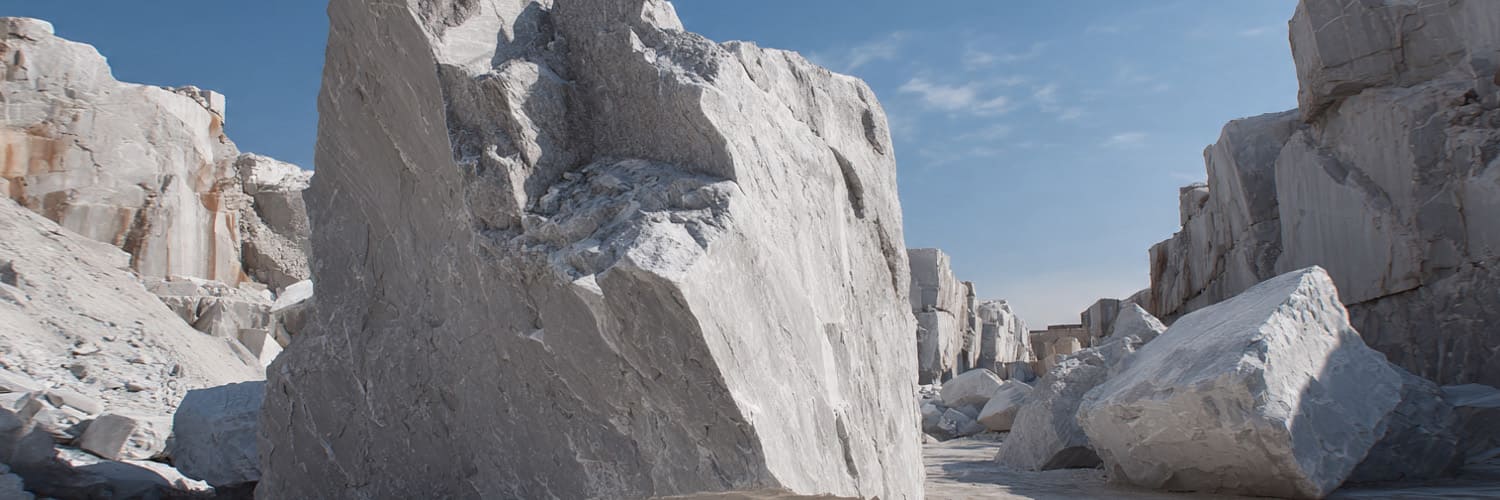
Limestone (for Cement): The Foundation of Modern Construction
Get high-grade Limestone for Cement making from a Global Exporter
Limestone is the indispensable primary raw material in cement production, forming the backbone of the global construction industry. Due to our expertise in the global supply of Metals & Minerals, we are committed to sourcing and supplying best-in-class, chemically precise limestone that meets the stringent requirements for clinker manufacturing, which ensures optimal performance and cost-efficiency for cement producers worldwide.
Product’s Key Specifications for Cement Manufacturing
The suitability of limestone for cement production is critically dependent on its chemical composition. Our material is meticulously screened to guarantee the following essential characteristics:
- High Calcium Carbonate (CaCO3) Content: Typically 90% or higher (expressed as CaCO3, providing the necessary lime (CaO) for clinker formation.
- Low Magnesia (MgO) Content: Magnesia content is strictly controlled, usually below 3%, to prevent delayed expansion and cracking in the final concrete product.
- Low Silica (SiO2), Iron Oxide (Fe2O3), and Alumina (Al2O3) Ratios: While these elements are crucial secondary components, their levels must be consistent and manageable for kiln feed blending.
- Minimal Harmful Impurities: We ensure minimal presence of elements like alkalis (Na2O and K2O) and sulfur (SO3) that can negatively affect kiln operation and cement quality.
| Specification | Typical Range | Importance for Cement |
|---|---|---|
| CaCO3 | >90% | Primary source of CaO (Lime) |
| MgO | <3% | Controls concrete stability and expansion |
| SiO2 | Varies | Required for silicate formation |
| LOI (Loss on Ignition) | 40−44% | Indicator of carbonate purity |
🏭 Why Prefer Our Limestone?
Collins SM is a reputable, trusted global name in the cement manufacturing supply chain, offering the highest-grade limestone for cement manufacturing units. The main highlights of our limestone are as below;
- Consistent Quality: Our dedicated mining and quality control processes ensure minimal variation in chemical composition, helping in stable kiln operation and predictable clinker chemistry.
- Optimum Particle Size: We supply limestone in the required size fractions (e.g., crushed stone or fines) to cater to your specific grinding and blending equipment, optimizing energy consumption.
- Reliable Global Logistics: With established port-side facilities and bulk shipping expertise, we guarantee on-time delivery to major cement manufacturing hubs worldwide, minimizing inventory risks.
- Custom Blending: If needed, we can work with you to supply material that meets a specific target LSF (Lime Saturation Factor) or SM (Silica Modulus) for your clinker recipe.
🪨 Role of Limestone in Clinker Production
Limestone undergoes the crucial process of calcination inside the cement kiln.
Need to discuss your specific chemistry requirements or delivery schedules?
Reach out to our Sales Team Today for a customized quote and analysis reports.
- Calcination: At temperatures around 900°C, the calcium carbonate CaCO3 decomposes into calcium oxide (CaO, or lime) and carbon dioxide (CO2).
- Clinker Formation: At higher temperatures (up to 1450°C), the CaO reacts with silica, alumina, and iron oxides to form the key mineral phases of cement clinker: alite (3CaO SiO2) and belite (2CaOSiO2).
Need to discuss your specific chemistry requirements or delivery schedules?
Reach out to our Sales Team Today for a customized quote and analysis reports.